
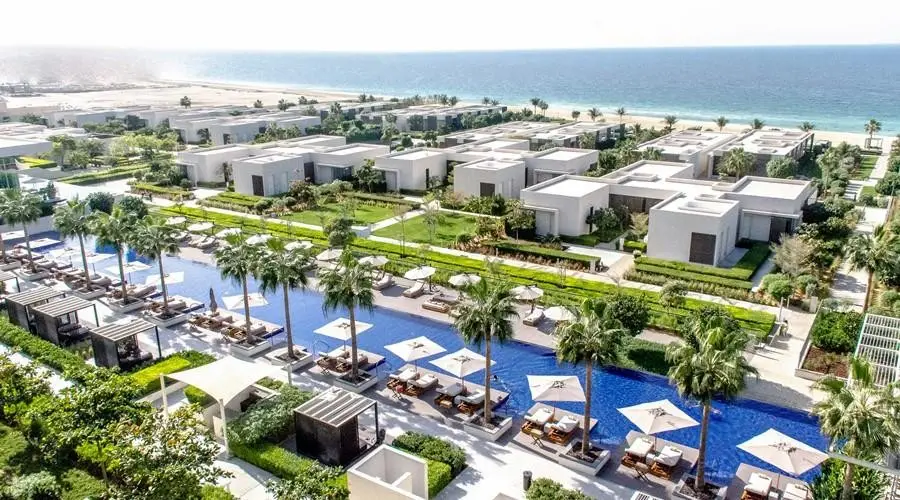
While Dubai and Abu Dhabi dominate headlines, Ajman is quietly delivering some of the UAE’s strongest property yields and year-on-year price growth.
Compact in size but rich in opportunity, the emirate is entering a transformative phase driven by infrastructure, tourism, and large-scale developments like Al Zorah City.
In the first half of 2024 alone, Ajman’s real estate transactions surpassed AED 9 billion, marking a 33% increase year-on-year. The upward trend continued into 2025, supported by expanding freehold access and increasing demand from both residents and investors seeking affordability with upside.
Why Ajman Is Becoming a Yield Leader
For investors, Ajman’s biggest draw is its rental income performance.
Apartments in central communities such as Ajman Downtown, Garden City, and Al Nuaimiya routinely generate gross yields of 7–9%, outpacing many Dubai districts. Villas and waterfront units in Al Zorah average 5–7%, with rapid capital appreciation layered on top.
Add to that low service charges, accessible entry prices, and improving amenities, and Ajman’s risk-return balance starts to look highly attractive — especially for long-term investors eyeing compounding growth.
The Al Zorah Effect: Ajman’s Luxury Frontier
If there’s one project redefining Ajman’s brand, it’s Al Zorah City.
A 5.4 million sqm beachfront community backed by Solidere International and the Government of Ajman, Al Zorah combines golf, mangroves, marinas, and ultra-luxury villas — a lifestyle offering that competes directly with Dubai’s coastal developments, but at a fraction of the price.
Between 2023 and 2025:
-
Average transaction values in Al Zorah rose over 38%
-
Price per square meter increased by 25%
-
Demand for waterfront plots and branded residences continues to surge
This is Ajman’s version of what Palm Jumeirah was for Dubai 15 years ago — an anchor development that repositions the entire market.
Mid-Market Appeal: Consistent Growth and Accessibility
Beyond Al Zorah, Ajman’s central communities continue to deliver steady growth.
Freehold apartments starting from AED 400,000–600,000 are seeing renewed investor activity thanks to improved transport links to Sharjah and Dubai via Sheikh Mohammed Bin Zayed Road.
Government-backed projects like Ajman One and the planned Smart City initiatives are further increasing infrastructure value, while rental demand from commuters ensures near-full occupancy across the mid-tier market.
Investor Takeaway
| Factor | Dubai | Ajman |
|---|---|---|
| Average PSF (Mid-Tier 2025) | AED 1,500–2,000 | AED 700–900 |
| YoY Transaction Growth | +12% | +33% |
| Typical Yield | 5–6% | 7–9% |
| Freehold Access | Broad | Expanding Rapidly |
Ajman represents the perfect convergence of affordability, yield, and early-cycle growth — a combination that’s rare in today’s UAE property landscape.
Homesae Insight
Investors who entered Dubai early saw their equity multiply as the city matured.
Ajman is now showing similar signals — limited supply, government infrastructure investment, and the arrival of premium waterfront masterplans.
Homesae helps investors secure early positions in:
-
Al Zorah branded residences & villas
-
Waterfront and golf-facing plots
-
Mid-market freehold apartments with 7–9% yield potential
Rental yields and investment returns
Ajman is the UAE’s yield leader for income-focused investors. Apartments in central communities such as Ajman Downtown, Garden City and Al Nuaimiya routinely generate gross yields of 7–9% — ahead of many Dubai districts — while waterfront villas and apartments in Al Zorah average 5–7% with capital appreciation layered on top. Low service charges and accessible entry prices improve the net return and the overall risk-reward balance, making Ajman a compelling compounding play.
Property types and where to buy
The market spans affordable apartments (Ajman Downtown, Garden City, Al Nuaimiya) through to ultra-luxury beachfront villas in Al Zorah City — a 5.4 million sqm community of golf, mangroves and marinas backed by Solidere International and the Government of Ajman. There is also a growing residential and commercial mix as infrastructure and tourism expand, giving portfolio investors both yield assets and appreciation assets within one emirate.
Freehold rules and regulations for foreign investors
Ajman has expanded freehold access for investors and expatriate buyers in designated areas, registered through the Ajman Real Estate Regulatory Agency (within Ajman Municipality). That widening access — combined with affordability — is drawing both residents and yield-seeking investors into the market.
Who Ajman suits
Ajman fits investors prioritising rental income and affordability, and those wanting an accessible entry point with upside as the Al Zorah effect and infrastructure mature. It pairs well as the high-yield position alongside a capital-growth holding in Dubai or Ras Al Khaimah.
Risks to weigh
As a smaller market, liquidity and the pool of buyers are thinner than Dubai, so plan a longer holding horizon and focus on established communities and developers.
How buying property in Ajman works
Where foreigners can buy
Foreign nationals can buy freehold property in Ajman’s designated freehold areas, which include waterfront Al Zorah and established communities such as Emirates City, alongside a range of mid-market towers. Ownership rules differ outside these areas, so confirm a building’s freehold status before you commit.
The regulator and registration
Property in the emirate is regulated by the Ajman Real Estate Regulatory Agency (ARRA), part of the Ajman Land and Real Estate Regulation Department, which registers sales and issues title deeds. Registration fees are set by the department; Homesae will confirm the current amount for the property you choose rather than rely on a figure that may have changed.
Off-plan protection
Off-plan projects must be registered with the regulator, and buyers’ payments are held in a project escrow account and released against construction progress. Run the same checks as in Dubai: confirm the project registration, the escrow account and the broker’s licence, and never pay a deposit to an individual. Our guide to buying off-plan safely walks through each step.
Who Ajman suits, compared with Dubai
Ajman’s appeal is entry price: apartments typically cost a fraction of comparable Dubai stock, which makes it attractive for yield-focused investors and for residents who work in Dubai or Sharjah and want more space for their budget. The trade-offs are a smaller resale market, lower liquidity and a longer commute into Dubai at peak times. Buyers who prioritise capital growth and easy resale usually look first at Dubai’s best investment areas.
Property investment across the UAE
This guide is part of Homesae's series on buying property in each emirate. Compare it with the others:
Frequently asked questions
What rental yields does Ajman offer?
Central apartment communities like Ajman Downtown, Garden City and Al Nuaimiya routinely yield 7–9% gross; Al Zorah waterfront units average 5–7% plus appreciation.
Can foreigners buy property in Ajman?
Yes — Ajman has expanded freehold access for expatriates and investors in designated areas, registered through the Ajman Real Estate Regulatory Agency.
What is Al Zorah City?
A 5.4 million sqm beachfront community (golf, mangroves, marinas, luxury villas) backed by Solidere International and the Government of Ajman — the project redefining Ajman’s luxury frontier.
Why invest in Ajman over Dubai?
Higher rental yields, lower entry prices and low service charges make Ajman an income and compounding play, complementing a capital-growth holding elsewhere.
Is Ajman property a good long-term investment?
For yield-focused, longer-horizon investors, yes — strong income plus the Al Zorah-led appreciation story, provided you accept thinner liquidity than Dubai.
Looking for the best yield play in the UAE? Ask Homesae for current Ajman options.

